

Myoshinji Private Zen Temple Tour in Kyoto — Gardens & Matcha
2.5 hours--¥15,620 / per person ~|
English Speaking Guide
English Speaking Guide

Request Your Reservation:
Apply Now ↓
A Note from Our Staff
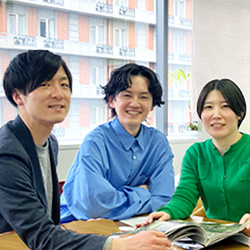
This tour is designed for those who want to experience the quiet side of Kyoto.
Rather than visiting many crowded spots, we guide you through a Zen temple complex at a relaxed pace, focusing on atmosphere, gardens, and small details that are easy to miss on your own.
Even if you are not familiar with Zen, we hope you will simply enjoy the calmness of the space and the time to slow down.
Rather than visiting many crowded spots, we guide you through a Zen temple complex at a relaxed pace, focusing on atmosphere, gardens, and small details that are easy to miss on your own.
Even if you are not familiar with Zen, we hope you will simply enjoy the calmness of the space and the time to slow down.
A Private Journey into Living Zen, Timeless Gardens & Mindful Moments
A Sanctuary of Living Zen
Escape the crowded tourist trails and step into Japan’s largest Zen temple complex—a sprawling "city within a city" where centuries-old traditions and daily monastic practices are still very much alive.
Deconstruct the Beauty of Zen Gardens
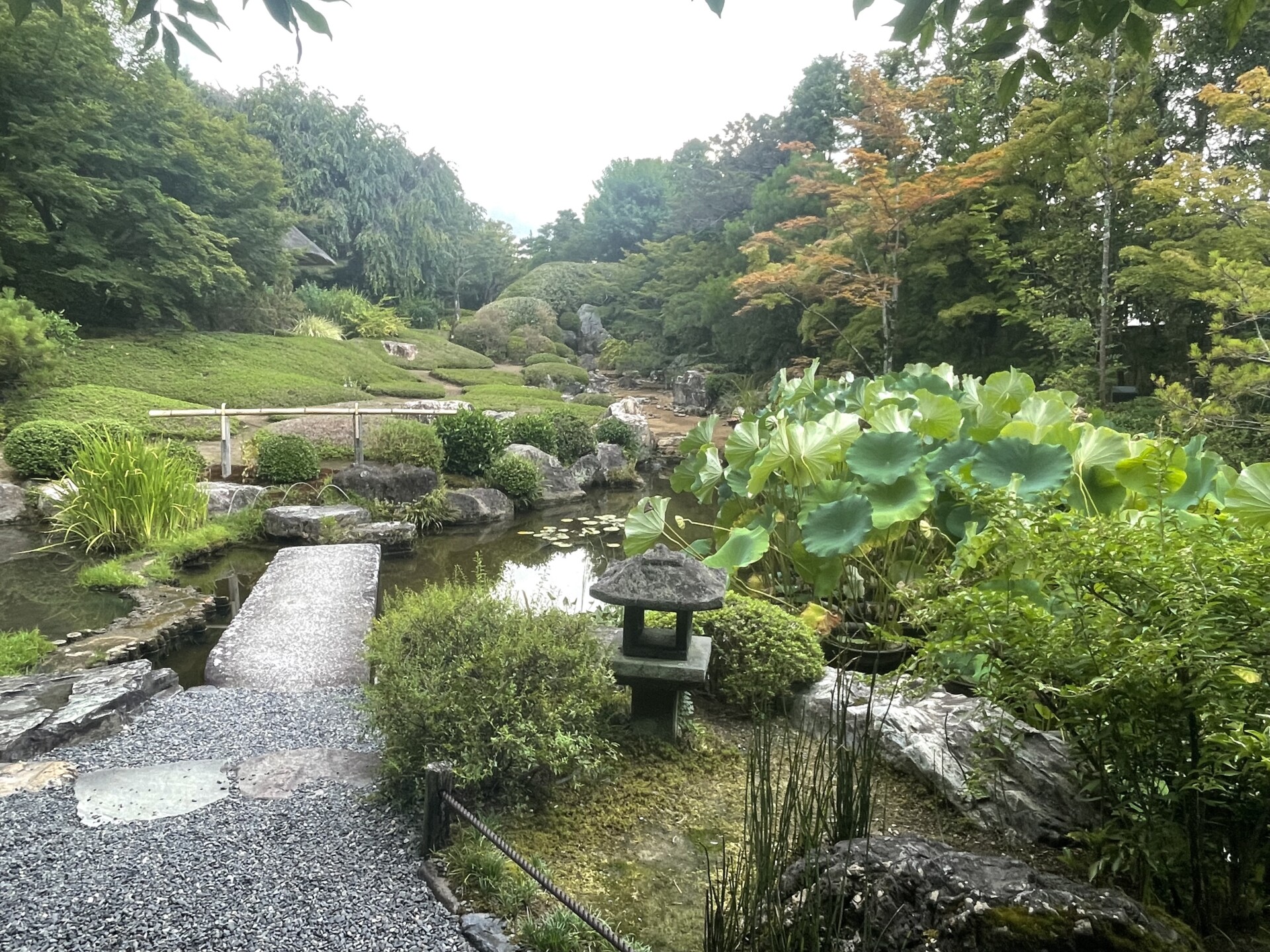
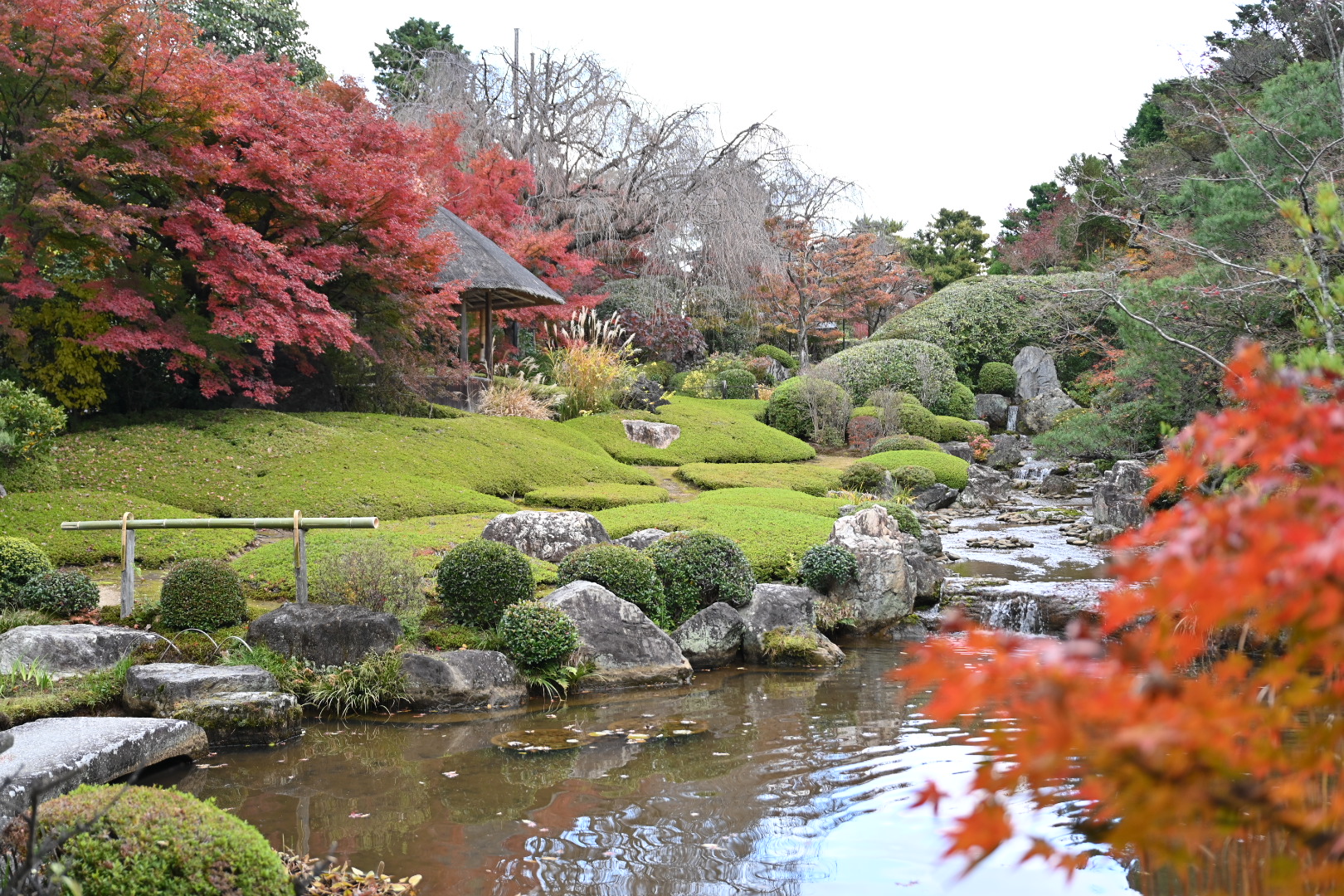
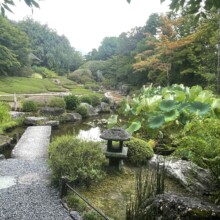
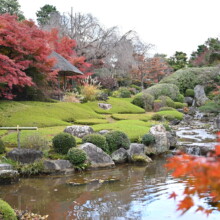
Move beyond passive viewing. Guided by your private expert, you will learn to "read" the profound philosophy woven into minimalist dry landscape gardens and vibrant seasonal landscapes.
Exclusive Access & Tailored Pacing
Enjoy the luxury of a fully private experience. Discover hidden sub-temples, historic architecture, and subtle artistic details at a relaxed pace dedicated entirely to your curiosity.
A Moment of Pure Mindfulness
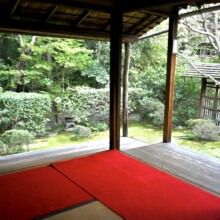
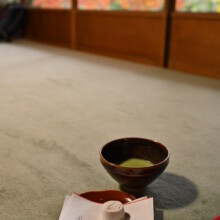
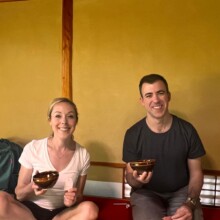
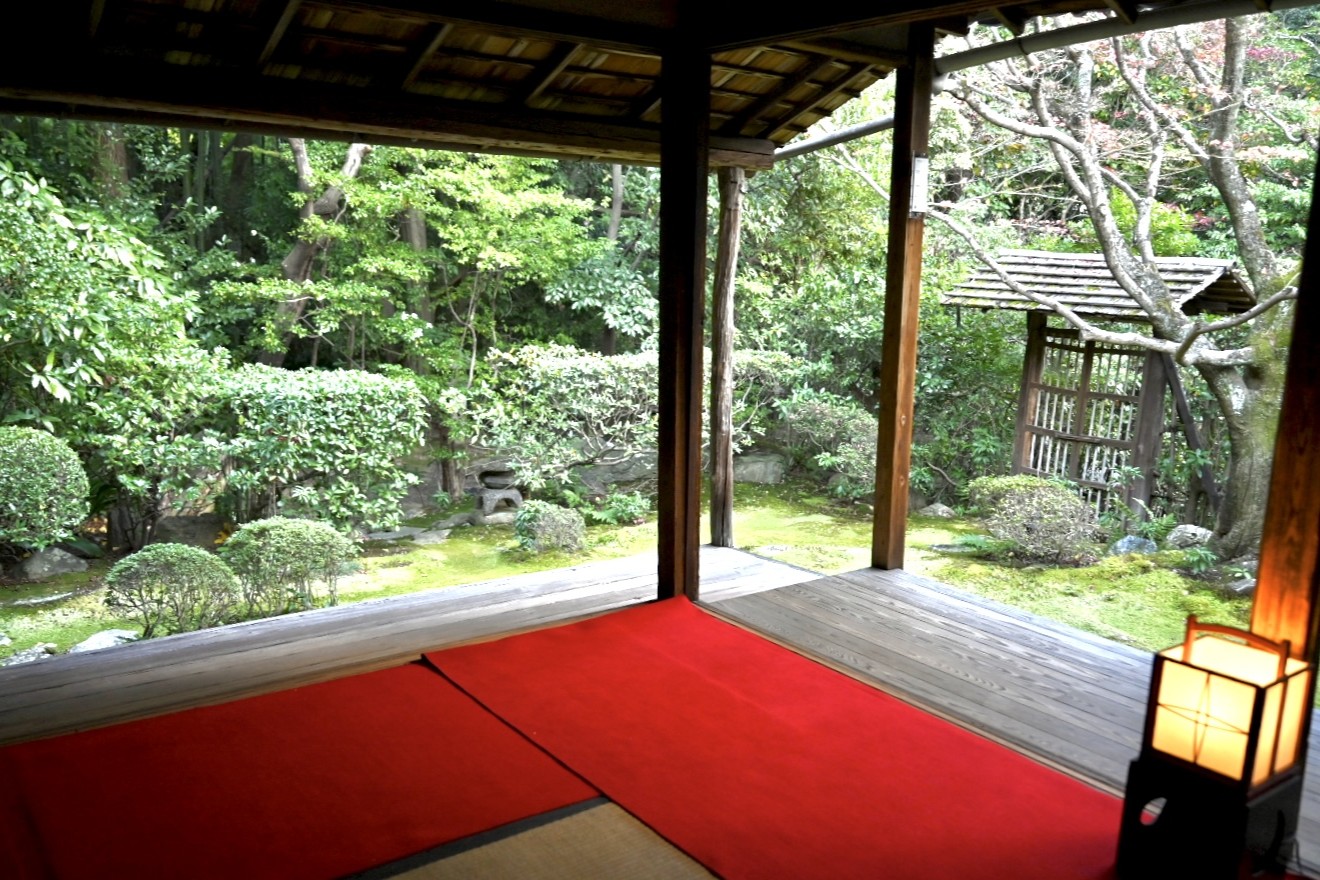
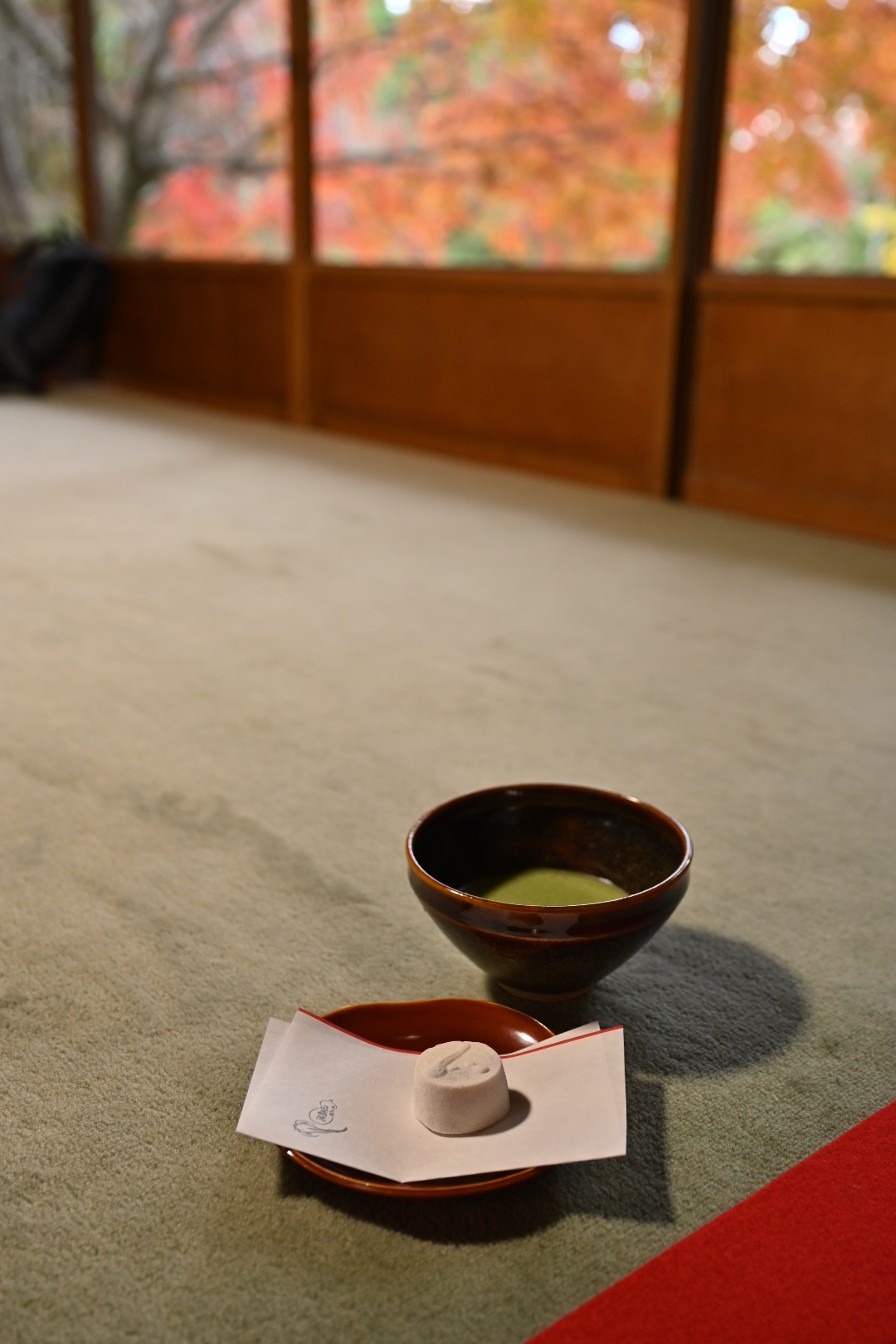
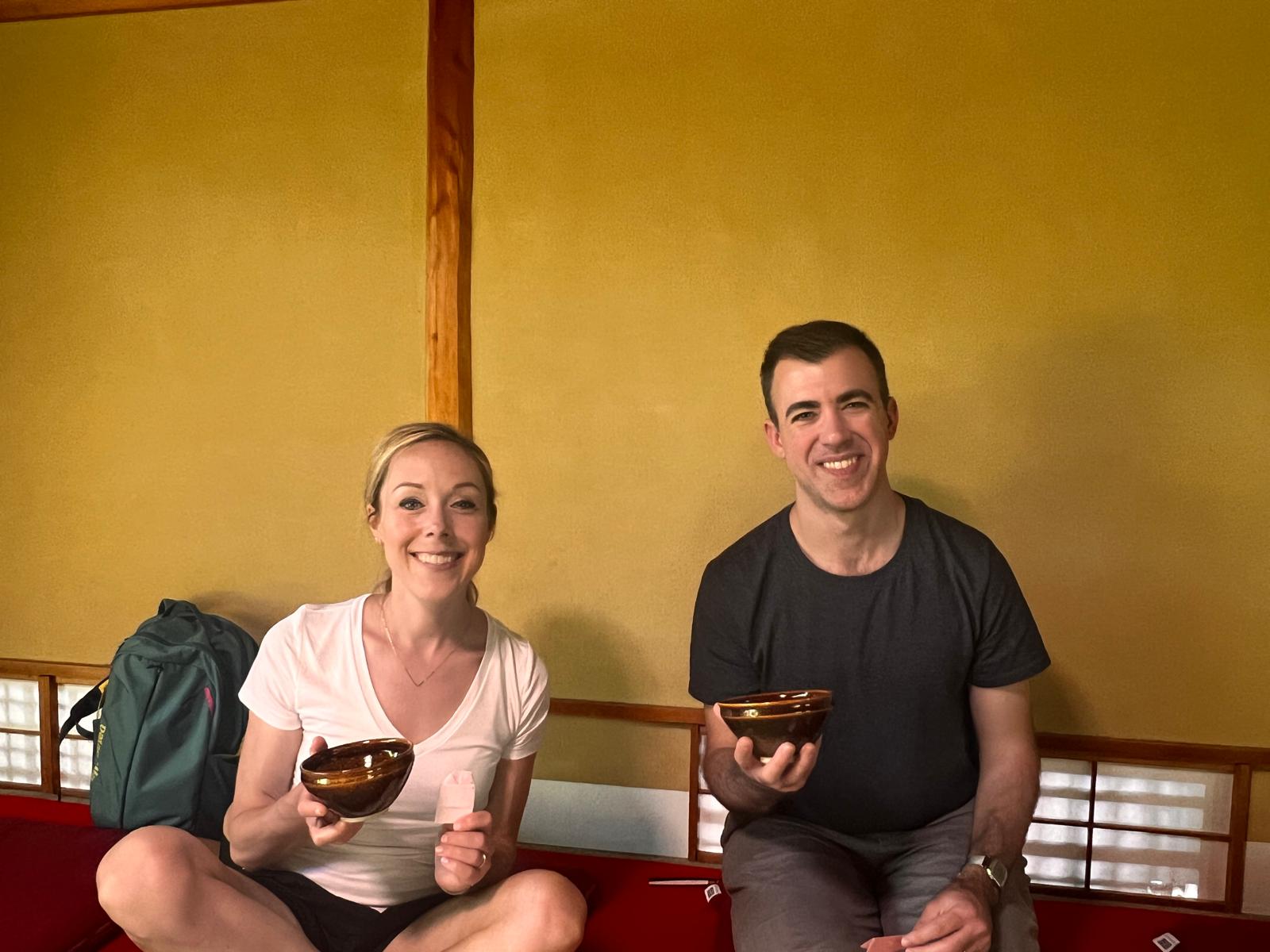
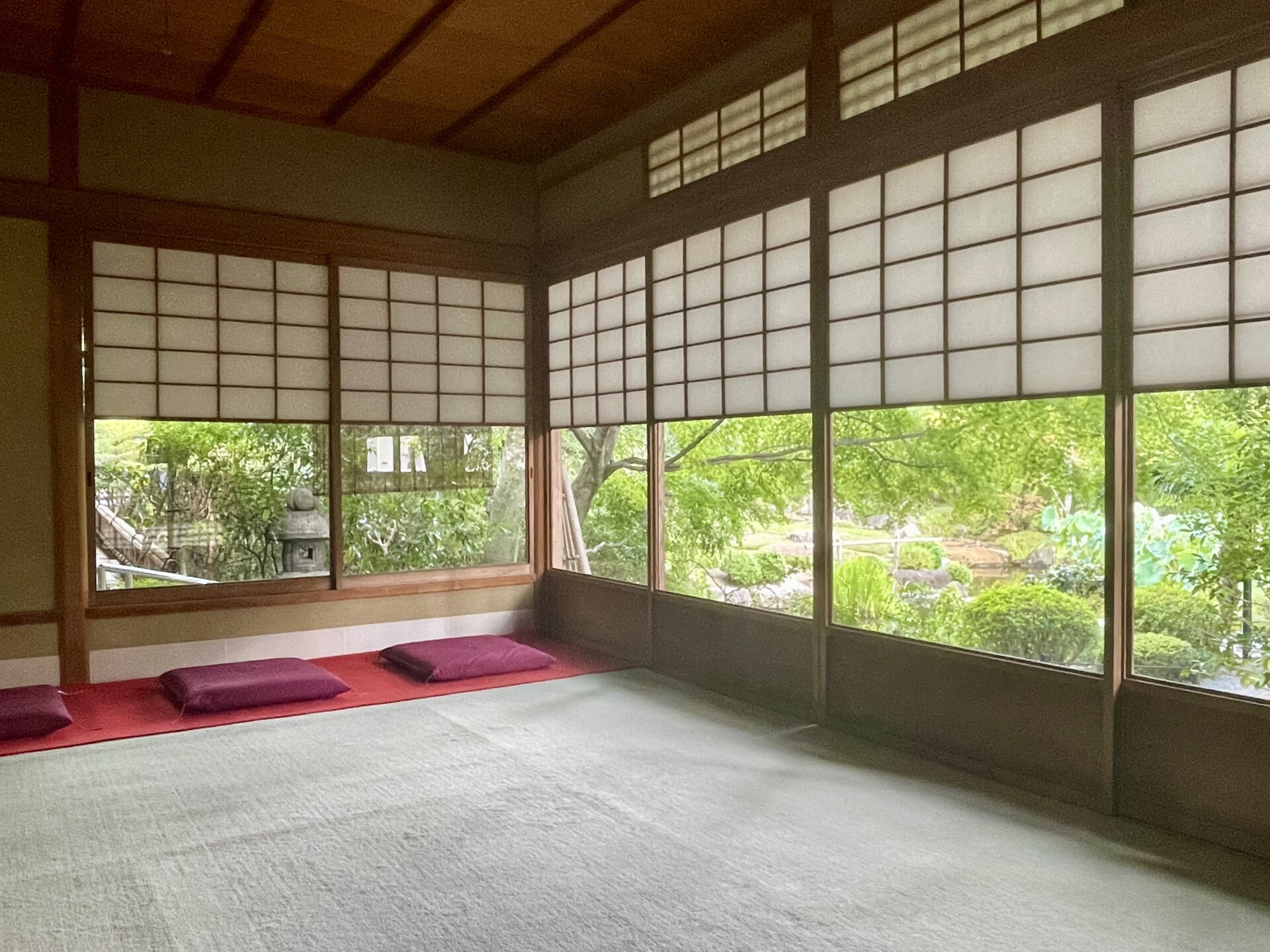
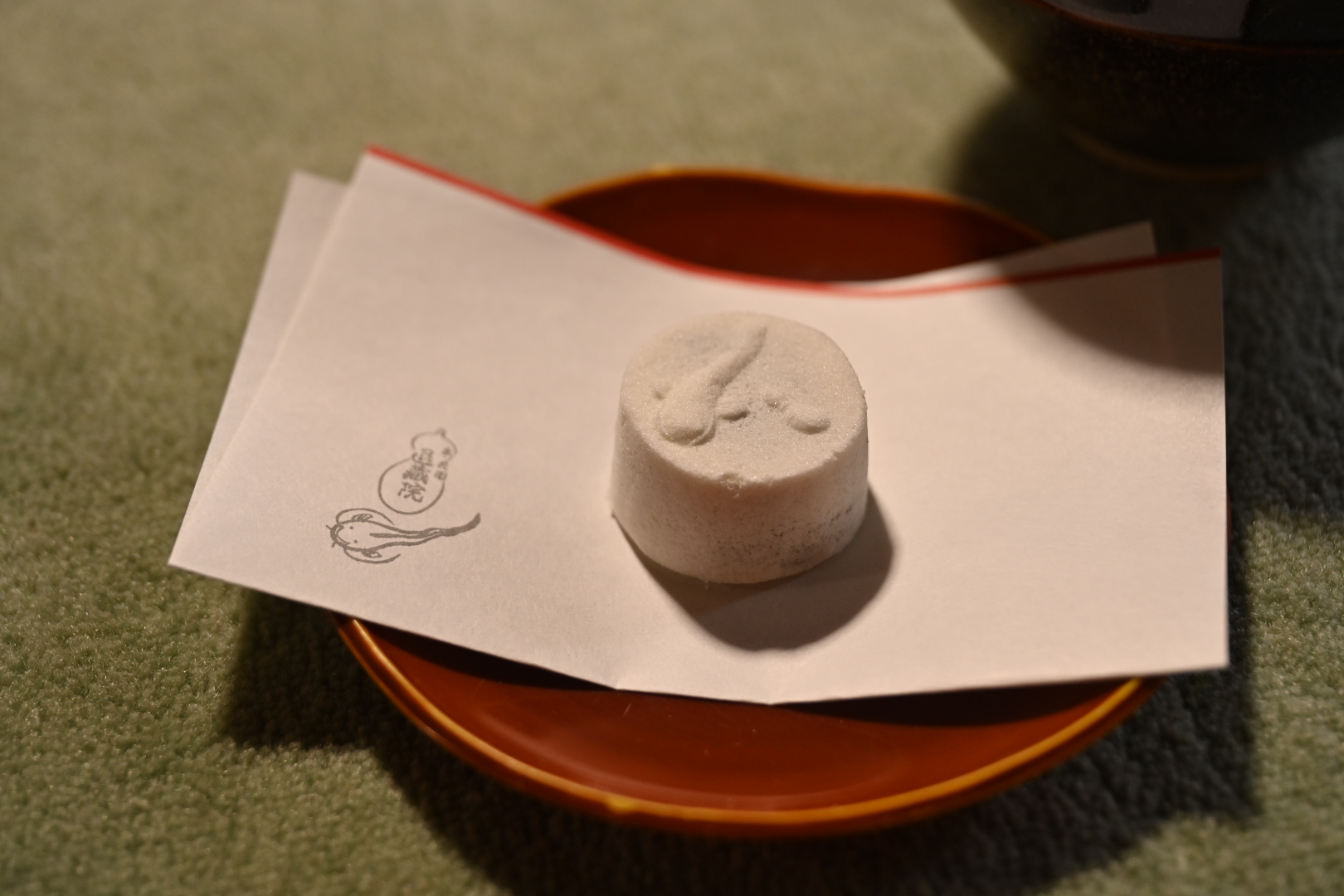
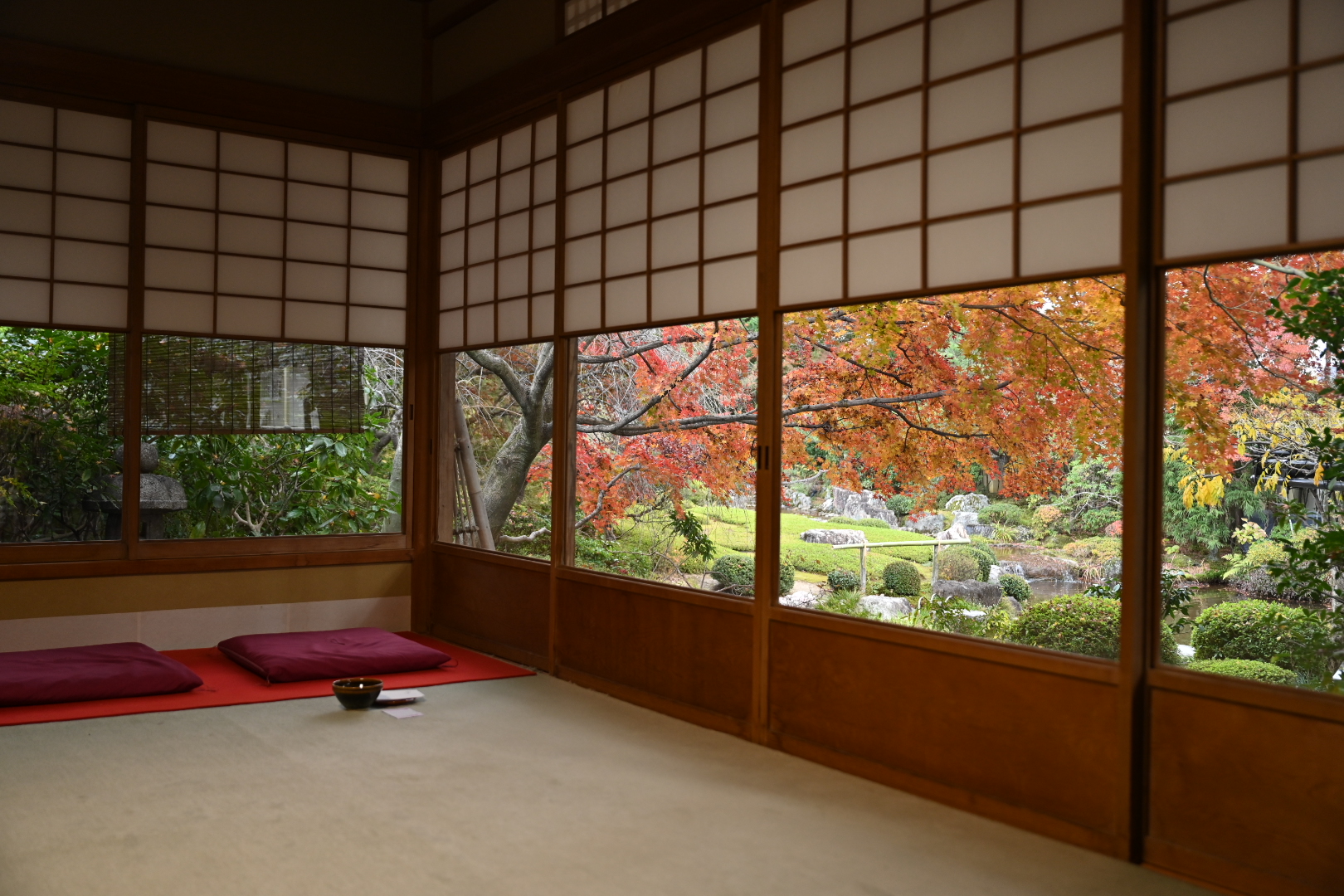
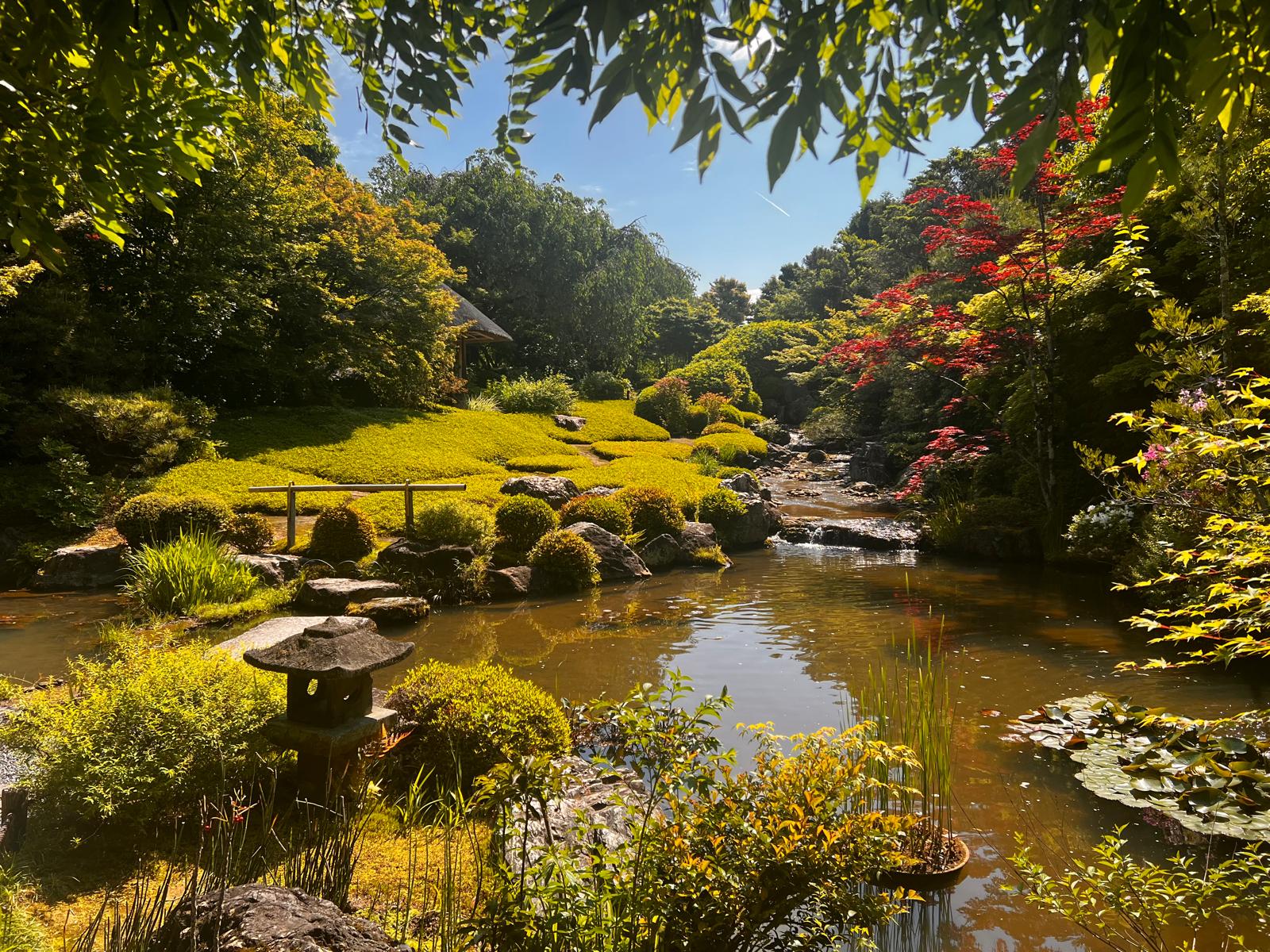
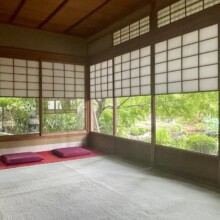
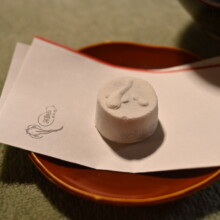
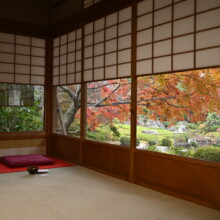
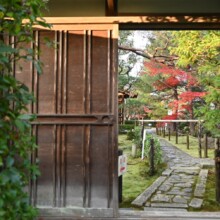
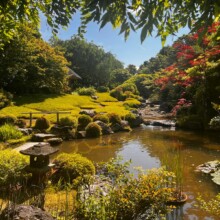
Sit on the quiet veranda of a serene sub-temple, listening only to the wind as you savor high-quality matcha, overlooking a garden designed for deep contemplation.
Optional: The Art of Seasonal Cuisine (Plan A)
Deepen your connection to Zen philosophy through a mindfully prepared Japanese meal, where the harmony of nature and tradition is experienced through every flavor.
Escape the crowded tourist trails and step into Japan’s largest Zen temple complex—a sprawling "city within a city" where centuries-old traditions and daily monastic practices are still very much alive.
Deconstruct the Beauty of Zen Gardens
Move beyond passive viewing. Guided by your private expert, you will learn to "read" the profound philosophy woven into minimalist dry landscape gardens and vibrant seasonal landscapes.
Exclusive Access & Tailored Pacing
Enjoy the luxury of a fully private experience. Discover hidden sub-temples, historic architecture, and subtle artistic details at a relaxed pace dedicated entirely to your curiosity.
A Moment of Pure Mindfulness
Sit on the quiet veranda of a serene sub-temple, listening only to the wind as you savor high-quality matcha, overlooking a garden designed for deep contemplation.
Optional: The Art of Seasonal Cuisine (Plan A)
Deepen your connection to Zen philosophy through a mindfully prepared Japanese meal, where the harmony of nature and tradition is experienced through every flavor.
What's Included
◎ English-speaking local guide
◎ Admission fees for Myoshinji
◎ Matcha fee at Taizo-in
◎ Lunch fee (Plan A only)
× Transportation costs
◎ Admission fees for Myoshinji
◎ Matcha fee at Taizo-in
◎ Lunch fee (Plan A only)
× Transportation costs
What To Expect
[Plan A] 3.5 Hours | 9:00 AM – 12:30 PM (Includes Seasonal Lunch)
[Plan B] 2.5 Hours | 1:00 PM – 3:30 PM (Standard Plan)
Step into Another World
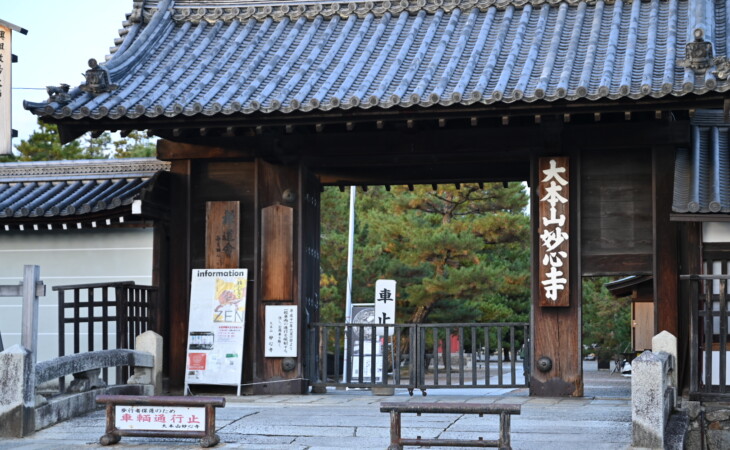
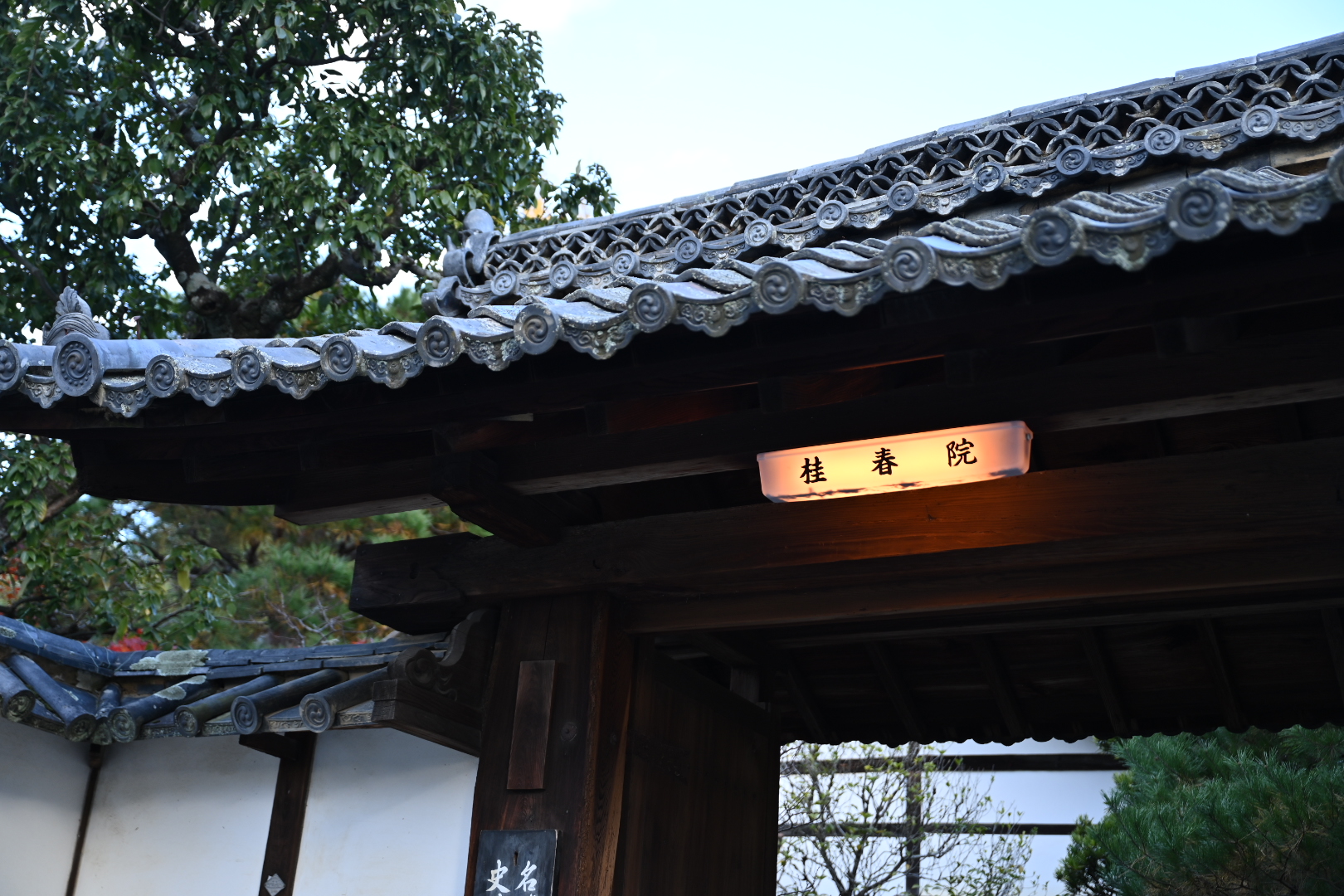
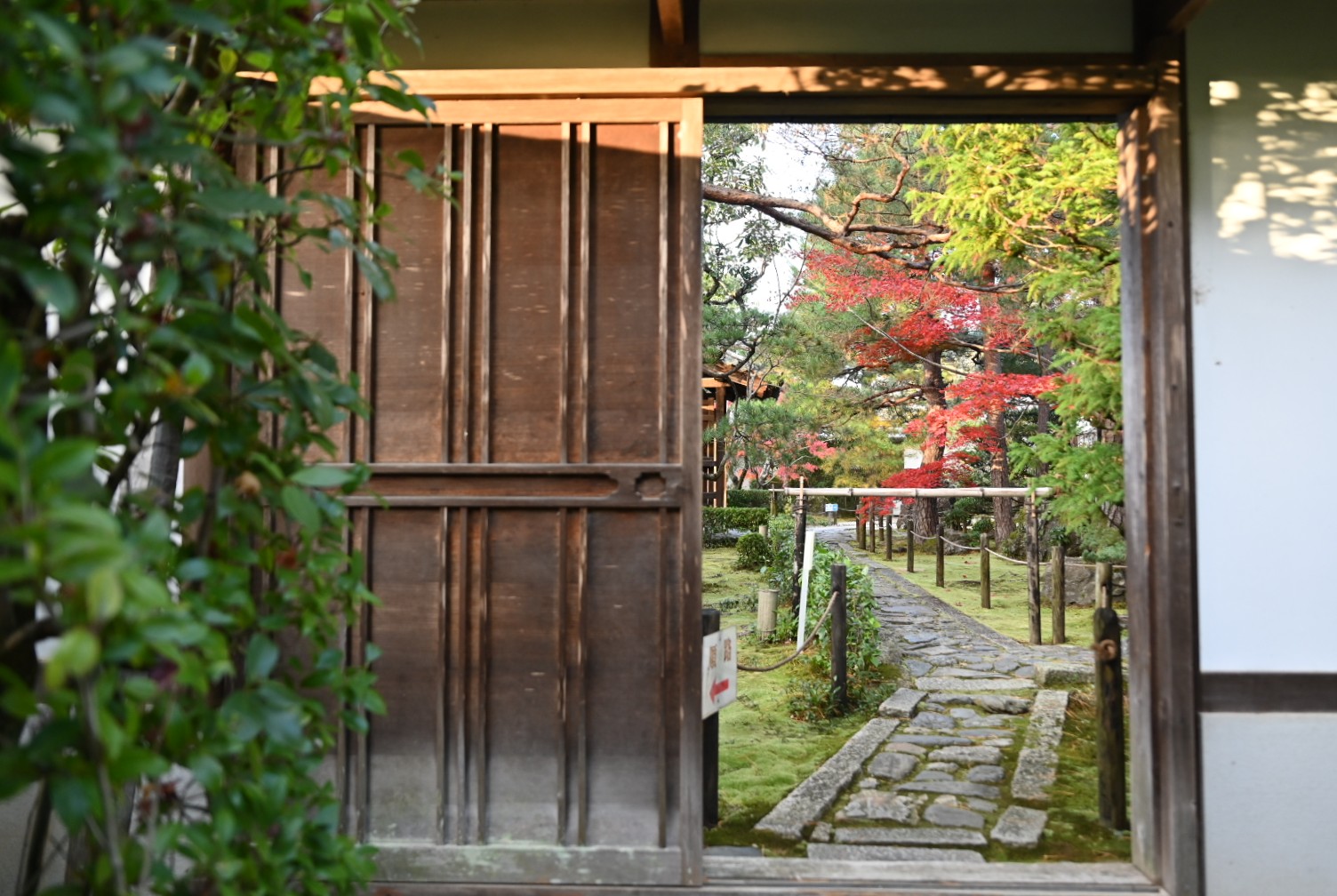
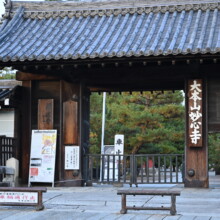
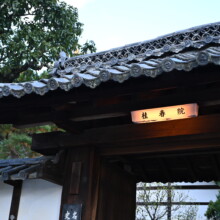
Your private journey begins as you enter the vast, walled precinct of Myoshin-ji. The moment you step through the gates, the rush of the city fades away, replaced by the profound stillness of a living Zen temple.
An Expert-Guided Exploration
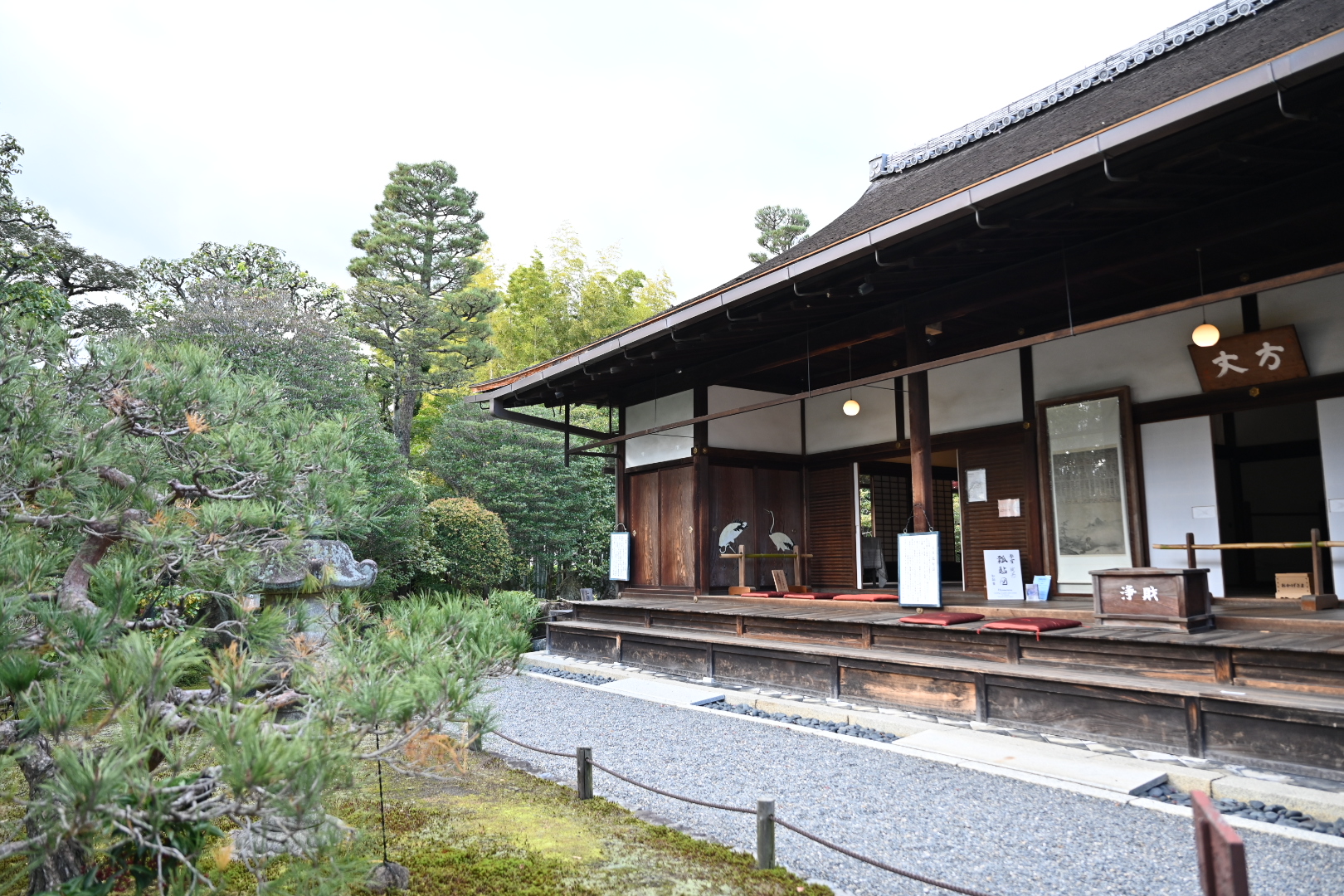
Your guide will lead you through the temple's quiet pathways to several carefully selected tatchu (sub-temples). Along the way, you will discover the hidden stories behind historic architecture and learn to "read" the deep philosophy woven into minimalist dry landscape gardens. You will also view the breathtaking, 350-year-old "Dragon Painting" on the ceiling of the Hatto hall, watching its expression shift with your every step.
A Pause for Mindfulness & Matcha
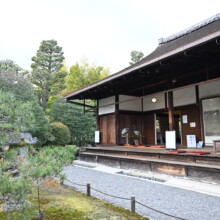
Take a seat on the wooden veranda of a tranquil sub-temple. Disconnect from the modern world and connect with the present moment as you savor high-quality matcha, overlooking a masterfully designed Zen garden.
Culinary Harmony (Plan A Only)
For guests on Plan A, the tour concludes with a thoughtfully prepared seasonal Japanese meal. This final experience extends your Zen journey to the palate, celebrating the harmony of nature and tradition through food.
[Plan B] 2.5 Hours | 1:00 PM – 3:30 PM (Standard Plan)
Step into Another World
Your private journey begins as you enter the vast, walled precinct of Myoshin-ji. The moment you step through the gates, the rush of the city fades away, replaced by the profound stillness of a living Zen temple.
An Expert-Guided Exploration
Your guide will lead you through the temple's quiet pathways to several carefully selected tatchu (sub-temples). Along the way, you will discover the hidden stories behind historic architecture and learn to "read" the deep philosophy woven into minimalist dry landscape gardens. You will also view the breathtaking, 350-year-old "Dragon Painting" on the ceiling of the Hatto hall, watching its expression shift with your every step.
A Pause for Mindfulness & Matcha
Take a seat on the wooden veranda of a tranquil sub-temple. Disconnect from the modern world and connect with the present moment as you savor high-quality matcha, overlooking a masterfully designed Zen garden.
Culinary Harmony (Plan A Only)
For guests on Plan A, the tour concludes with a thoughtfully prepared seasonal Japanese meal. This final experience extends your Zen journey to the palate, celebrating the harmony of nature and tradition through food.
Myoshin-ji: The Living Soul of Zen and a "City Within a City"
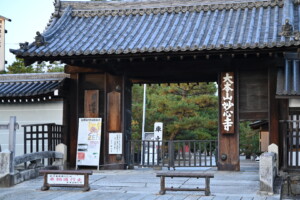
Unlike Kyoto’s crowded tourist trails, Myoshin-ji is a living, breathing sanctuary spanning a vast, walled precinct. This 700-year-old landmark operates like a self-contained town, housing 46 distinct tatchu (sub-temples) where monks still dedicate their lives to daily Zen practices. On this private journey, you will step beyond the main gates to experience a rare, authentic stillness untouched by the modern world.
Decoding the Beauty of Zen Gardens & Architecture
Traditional Zen art and architecture are deeply conceptual, often leaving independent travelers missing the subtle meanings hidden in plain sight. Your private expert will act as your translator to this quiet world, revealing the centuries-old stories, craftsmanship, and hidden spiritual details built into the temple structures. With deep insights tailored to your curiosity, you will move from simply looking at Kyoto to truly understanding its spiritual core.
Mindful Moments: Savoring Matcha & Seasonal Flavors
Transform your visit into a restorative ritual of mindfulness—a rare chance to slow down and connect with the present moment. Sit on a quiet temple veranda, listening only to the wind as you enjoy high-quality matcha overlooking a garden designed for deep contemplation. For guests on Plan A, this spiritual journey concludes with a beautifully prepared Japanese meal, allowing you to experience the harmony of nature and tradition through food.
Other Detail
| Dates |
Dates by Inquiry |
| Fee | [Plan A] ¥25,630 per person [Plan B] ¥15,620 per person |
| Capacity | Minimum number of participants: 1 Maximum number of participants: 10 |
| Meeting Point | ・Myoshinji South Gate (Minami-Somon) 📍 View location on Google Maps |
| Contact | If you have any questions, please contact us via our contact form or Instagram DM. |
Additional Info
・Your reservation will be confirmed upon a reply from Sharing Kyoto.
・Please book at least 2 days in advance so that we can build the best experience for you.
・Applicants must be at least 18 years old to apply. Minors must obtain the consent of a parent or guardian before applying. Elementary school children must be accompanied by a parent or guardian.
・The experience may be canceled or postponed at short notice, or the content may be changed due to traffic conditions, etc.
・We may share your responses to surveys and reviews on our social networking sites and media.
・Please book at least 2 days in advance so that we can build the best experience for you.
・Applicants must be at least 18 years old to apply. Minors must obtain the consent of a parent or guardian before applying. Elementary school children must be accompanied by a parent or guardian.
・The experience may be canceled or postponed at short notice, or the content may be changed due to traffic conditions, etc.
・We may share your responses to surveys and reviews on our social networking sites and media.
Cancellation policy
・Free of charge for cancellations up to 3 days prior to the tour date, 100% for cancellations 2 days or less prior to the tour date.
・Special Cases (Natural disaster, virus, etc.): Full refund.
・Transaction fees for refunds in the event of cancellation will be borne by the customer.
・Please contact us if you will be more than 5 minutes late. If you are late without notice, we may have to treat your booking as a cancellation. Please be aware of this policy.
・Special Cases (Natural disaster, virus, etc.): Full refund.
・Transaction fees for refunds in the event of cancellation will be borne by the customer.
・Please contact us if you will be more than 5 minutes late. If you are late without notice, we may have to treat your booking as a cancellation. Please be aware of this policy.
Where you'll be
Address
1 Hanazono Myoshinji-cho, Ukyo-ku, Kyoto
Directions
About a 5-minute walk from JR Hanazono Station
1 Hanazono Myoshinji-cho, Ukyo-ku, Kyoto
Directions
About a 5-minute walk from JR Hanazono Station